Cover Letters and Supporting Information: What to Include and What to Leave Out
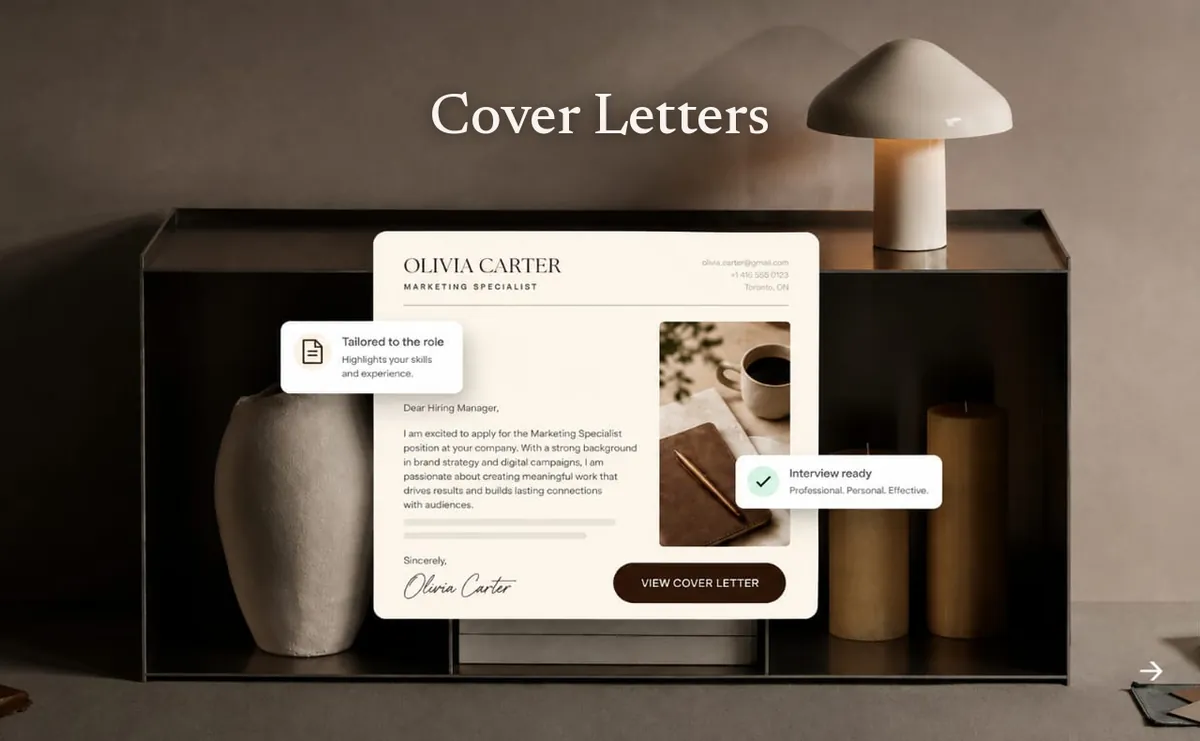
A cover letter and a supporting statement are two of the most misunderstood parts of an application. People often treat them as a formality, repeat their CV in paragraph form, and wonder why nobody replies. Done well, they do something your CV cannot: they explain why this role, why this employer and why you.
This guide covers what to include, what to leave out and how to keep your writing focused. It applies to cover letters and to the longer supporting information that some applications ask for.
What a cover letter is for
Your CV lists what you have done. A cover letter connects that to what the employer needs. It is your chance to show that you have read the advert, understood the work and thought about how you would contribute.
It is also a small sample of your writing and judgement. A clear, courteous and well-organised letter shows the reader how you communicate before they have spoken to you.
A simple structure that works
Opening: say what you are applying for and why it interests you
Name the role in your first sentence, and give one genuine reason you are interested. Avoid generic openings that could be sent to any employer. If you know something specific about the organisation's work, mention it briefly and accurately.
Middle: connect two or three points of evidence to the role
Choose two or three requirements from the advert and show, with brief examples, how your experience meets them. You do not need to cover everything. Pick the points that matter most to the role and say a little more about each than your CV does.
Close: be positive and practical
Thank the reader, say you would welcome a conversation and mention anything practical they need to know, such as availability or location. Keep it short and polite.
What to include
- The name of the person or team, if you can find it. If not, a simple "Dear Hiring Team" is fine.
- The exact job title and any reference number from the advert.
- Two or three specific examples that relate directly to the role.
- A clear sense of why you want this role and this organisation.
- Your contact details, so they are easy to find.
What to leave out
- A line-by-line repeat of your CV. The reader already has it.
- Negative comments about a current or former employer.
- Over-confident claims you cannot support, or vague phrases such as "hard-working team player" with nothing behind them.
- Personal details that are not relevant to the role.
- Spelling mistakes, and the name of a different company left over from an earlier draft.
Length and tone
Aim for one page, or around three to four short paragraphs. Write in a natural, professional voice, as you would speak in a thoughtful conversation with someone you respect. Short sentences are easier to read than long ones.
Supporting information and statements
Some applications, particularly in the public sector, education and healthcare, ask for a longer supporting statement. These often ask you to show how you meet a list of criteria. The same principles apply, with a few additions.
Follow the criteria
If the application lists criteria, structure your statement around them. Use their wording as short headings or opening phrases, so the reader can see at a glance that you have addressed each one.
Use clear examples
For each criterion, give a specific example: the situation, what you did and what happened. Many people find it useful to structure examples as situation, task, action and result. Keep to the facts and avoid exaggeration.
Respect the word limit
If there is a word or character limit, stay within it. A focused statement that fits is better than a long one that has to be cut off.
Before you send it
- Read it aloud and check that it sounds like you.
- Compare it with the job advert and check that you have addressed the main points.
- Check names, job titles and dates.
- Ask someone you trust to read it.
- Save it with a clear file name, for example your name and the role.
Need a hand?
If you find it hard to put your experience into words, our team can help with cover letters and supporting information. We work from your real experience and the role you are applying for, and we do not invent anything on your behalf. We cannot promise a particular result from any application.
If you are also reviewing your applications more broadly, you may like our guide to job applications that stand out. Whenever you are ready, take a look at our services.